My Chinese has been improving, but it’s still got a ways to go. I’ve focused more on the oral language than the written, so my knowledge of characters is limited. I *usually* receive what I try to order in restaurants, but it isn’t always pretty. The picture-menu is my hero, but even when faced with a wall of foreign text, I’m often in luck. Waiters are usually quite willing to read out a few dishes for me and answer the important questions (“Does this or does this not have shrimp?”).
On the streets and in shops, though, I don’t have the luxury of these friendly waiters. Accordingly, I am ALWAYS appreciative when English translations are provided, regardless of their imperfections. However, that doesn’t mean I don’t chuckle with amusement at some of them.
#EnglishInChina
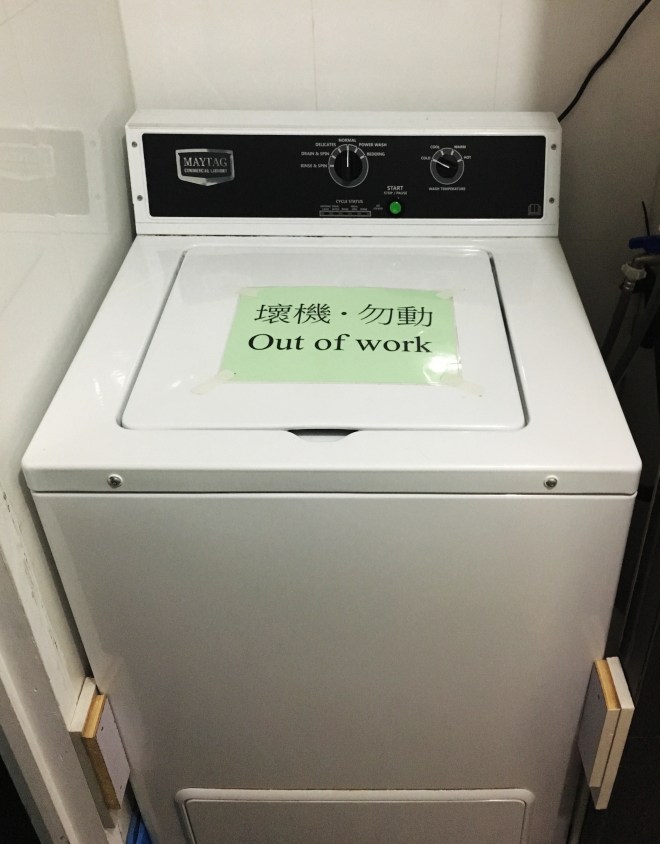


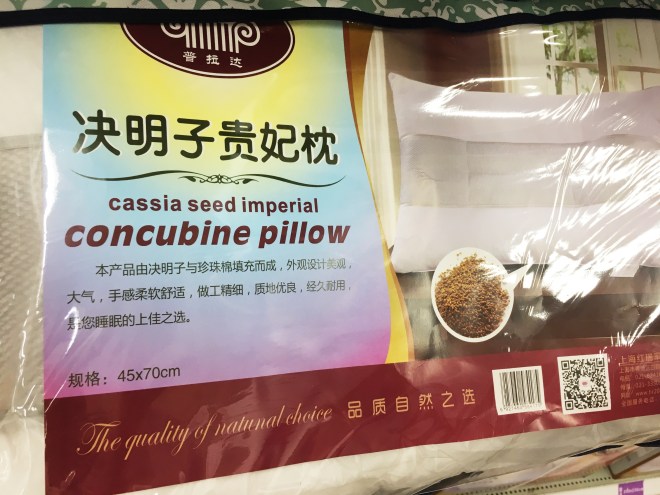
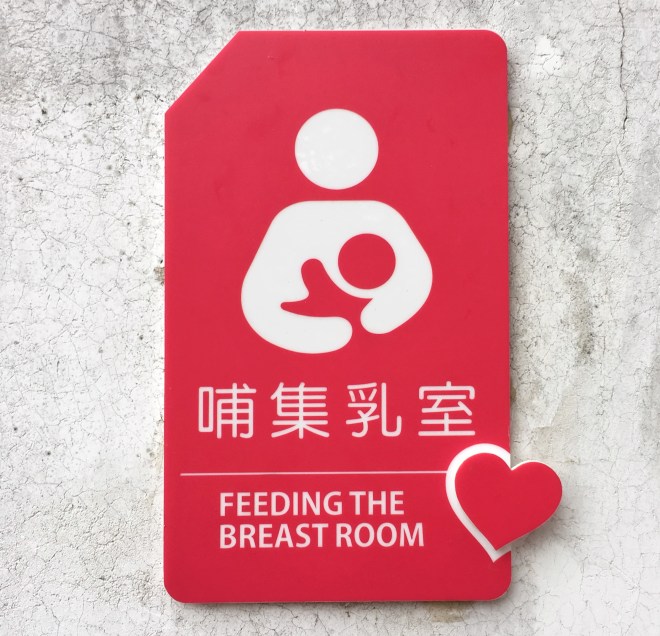
In the spirit of good-natured amusement at the difficulty of foreign languages, I thought it would only be fair to note my difficulties with Chinese as well.
#ForeignerInChina
Learning Mandarin is fun. However, learning Mandarin is also dangerous. You’ve probably heard me rant about tones (the vocal inflection with which you say syllables in Mandarin). What English speakers would consider the same word can mean vastly different things in Mandarin. As a foreigner who’s not exactly an expert at pitch (have you heard me sing?), this is a bit troublesome.
Oh, says the barista at Starbucks, you’d like a large STD without sugar, would you? Mmhhmm, says the pandas’ caretaker, you think those chest hairs are very cute? I have to pause and think before I say oatmeal.
Here’s an excerpt from my collection of unfortunately similar phrases.
(For non-Mandarin speakers: I’ve written the Mandarin words below as each syllable followed by its tone, represented by a number. 1 means the preceding syllable should be said with flat pitch; 2 means it should be said with rising pitch, 3 indicates a falling then rising pitch, and 4 indicates a falling pitch. And in case you were curious, the “x” is pronounced like the English “sh”.)
Xing1bing1: Frappuccino
Xing4bing4: STD
Xiong2mao1: Panda
Xiong1mao2: Chest hair
Fang2huo3: Prevent fire
Fang4huo3: Set on fire
Cha2: Tea
Cha4: Bad
Mai4pian4: Oatmeal
Mai3pian4: Buy a (dirty) movie
Lou2ti1: Stairs
Luo3ti3: Naked
There are more, but I don’t want to dissuade you from learning Chinese! It’s a fun language, made all the better by the countless friends and acquaintances who’ve corrected, encouraged, and made fun of me along the way.
 Words & Things